
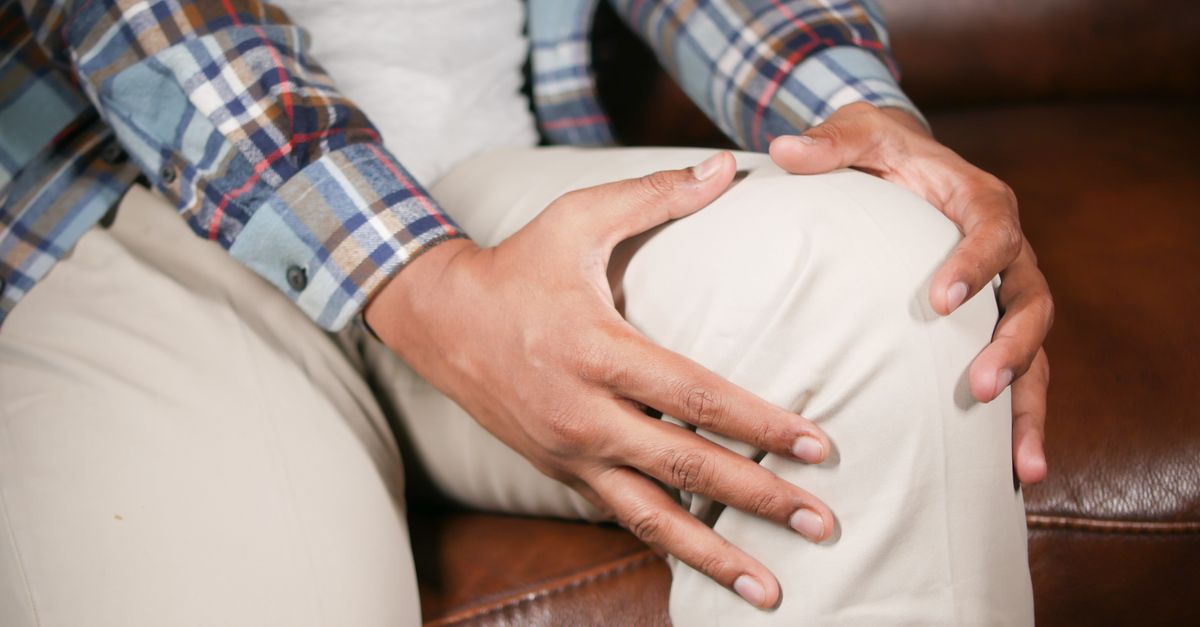
The first few steps out of bed feel stiff. The stairs ask a little more of your knees than they used to. Opening a jar makes your fingers ache. Joint pain is easy to dismiss as a normal part of getting older, but it affects how freely you move, sleep and enjoy your day. Understanding what is happening inside the joint is the first step toward doing something about it.
What Is Osteoarthritis?
Osteoarthritis is the most common form of arthritis. A healthy joint is cushioned by smooth cartilage that lets bones glide over one another. In osteoarthritis, that cartilage gradually thins and roughens. The tissue around the joint, including the bone underneath, the lining and the surrounding muscles, also changes. The result can be pain, stiffness, swelling and a grinding or creaking sensation.
It was once described as simple wear and tear, but researchers now understand it as a whole-joint condition involving mechanical stress, low-grade inflammation and the joint's own attempts at repair. That is encouraging, because it means several parts of the process can be addressed.
Who Is Affected?
Osteoarthritis can affect anyone, but it becomes more common with age. Other factors that raise the likelihood include:
- A previous joint injury, such as a torn ligament or fracture
- Excess body weight, particularly for the knees and hips
- Family history of osteoarthritis
- Repetitive strain from certain jobs or sports
- Joint shape differences present from birth
The knees, hips, hands, spine and the base of the big toe are the most frequently involved joints.
Common Symptoms
Osteoarthritis tends to develop slowly. Pain often worsens with activity and eases with rest. Morning stiffness usually fades within about half an hour. Over time you may notice reduced range of motion, tenderness when pressing on the joint, occasional swelling, and a feeling that the joint is less stable. Symptoms commonly come and go, with better and worse periods.
Keep moving every day.
What the Evidence Says
Major clinical guidelines consistently place education, exercise and weight management at the foundation of osteoarthritis care. Studies show that regular exercise can reduce pain and improve function in people with knee and hip osteoarthritis, often to a degree comparable with some medications. Many people worry that movement will damage a painful joint, yet appropriate activity is generally considered safe and beneficial.
Medications can help some people. Topical anti-inflammatory creams, oral pain relievers and, in selected cases, joint injections are options that a clinician can weigh against your health history. Imaging such as X-rays can confirm changes, though the amount of damage seen does not always match how much pain someone feels. Surgery, including joint replacement, is typically considered when other measures no longer provide enough relief.
Practical Steps You Can Take
Small, consistent habits often make the biggest difference:
- Keep moving every day. Gentle activity such as walking, swimming or cycling nourishes cartilage and strengthens supporting muscles.
- Build strength, especially in the muscles around the knees, hips and hands, so they share the load with the joint.
- Maintain a healthy weight. Even modest weight loss can reduce stress on weight-bearing joints.
- Use heat for stiffness and cold for flare-ups, whichever feels better to you.
- Wear supportive footwear and pace tasks so no single joint is overworked.
- Talk with a clinician before starting long-term pain relievers, since each option carries its own risks.
When to Seek Care
Joint pain deserves attention if it lasts more than a few weeks, interferes with sleep or daily tasks, or keeps returning. Seek prompt care if a joint becomes suddenly hot, red and swollen, if you have fever along with joint pain, if you cannot bear weight after an injury, or if the joint looks deformed. These signs can point to infection, gout, inflammatory arthritis or a fracture rather than osteoarthritis.
You do not have to simply live with it. A thoughtful evaluation, a clear explanation of what is going on and a personal plan can help you stay active and comfortable. If joint pain is slowing you down, contact the practice to talk about your concerns and decide on next steps together.