
Steady Care for Long-Term Conditions
Long-term conditions need steady attention, not just a visit when something goes wrong. We build a clear plan with you, use home readings and local lab work to track progress, and adjust treatment over time.
Become a Patient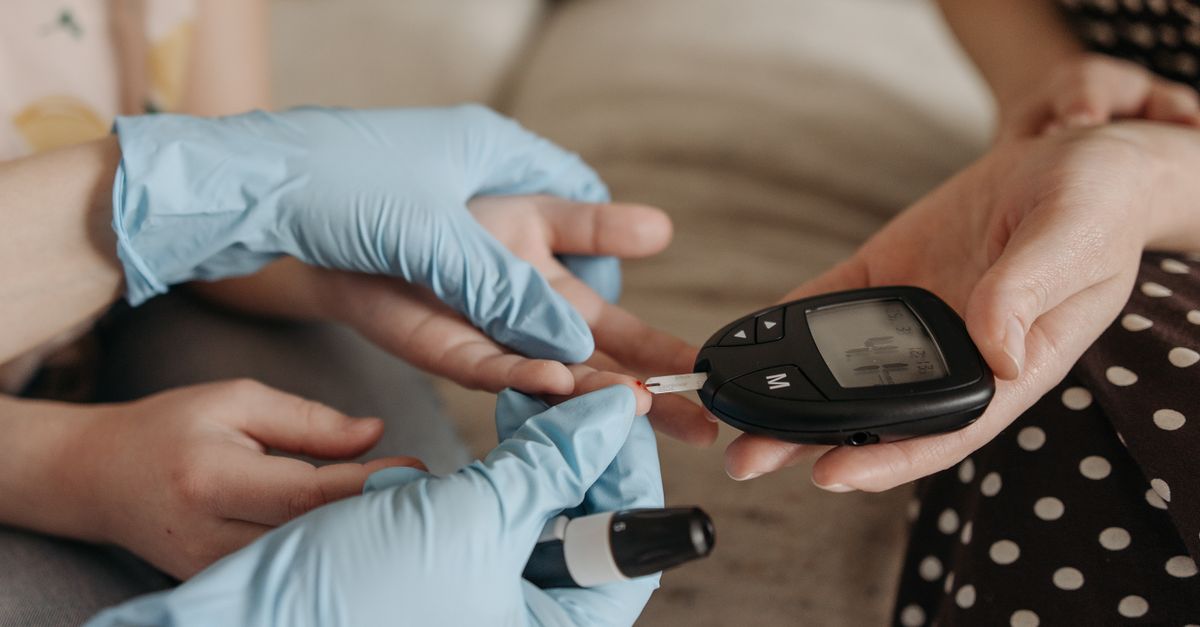
What Is Chronic Disease Management?
Chronic disease management is the ongoing care of conditions that last a year or more, such as high blood pressure, type 2 diabetes, prediabetes, high cholesterol, thyroid disease, asthma, anxiety and depression. The goal is to keep the condition under control, prevent complications and help you feel your best day to day.
Many people have more than one of these conditions at once, and treatment for one can affect another. A primary care provider who sees the whole picture can review all of your medications together, notice trends and keep the plan simple enough to follow.
Follow-up for long-term conditions is often well suited to telehealth. Home readings from a blood pressure cuff, glucose meter or peak flow meter, along with lab work at a local lab, give us much of what we need between visits. When a hands-on exam is needed, such as a diabetic foot exam with sensation testing, we will help you arrange it.
This care may help if
- You have been diagnosed with high blood pressure, diabetes, prediabetes, high cholesterol, thyroid disease or asthma
- Your blood pressure, blood sugar or cholesterol numbers are not where you want them
- You take several medications and are unsure how they fit together
- You need regular refills and lab monitoring
- You have had flare-ups or urgent visits related to an existing condition
- You want a plan you can actually follow at home
What to Expect
- A review of your history, medications, recent labs and home readings
- A written plan covering medication, nutrition, activity, home monitoring and a lab schedule
- Lab work ordered to a local lab
- Regular telehealth follow-up to adjust treatment and refill medications
- Coordination with specialists when needed
Our Approach to Chronic Disease Management
Assessment
We review your history, medications, past results and daily routine. Recent labs and home readings, such as blood pressure or blood sugar logs, show where you are starting and which risks matter most.
A Plan You Can Follow
Together we set realistic goals and choose treatment that fits your life, explained in plain language: medication when appropriate, nutrition, activity, home monitoring and a schedule for labs and screenings.
Ongoing Follow-Up
Regular check-ins let us see what is working, adjust doses, address side effects and catch changes early. When you see specialists, we keep their recommendations connected to your overall plan.
Benefits
Fewer Surprises
Regular monitoring and follow-up help catch changes before they turn into bigger problems.
All Your Medications Considered Together
We review everything you take, including over-the-counter products and supplements, to look for duplicates and interactions.
Convenient Follow-Up
Many check-ins can happen by video using home readings and local lab results.
Realistic Goals
Plans are built around your life, with gradual progress rather than all-or-nothing changes.
How Care Usually Unfolds
First Visit
A telehealth visit to review your history, medications and goals. We order baseline labs if they are due and set up a home monitoring routine.
Weeks 2 to 4
We review lab results and home readings, finalize the plan, and address early questions or side effects.
Months 1 to 3
Follow-up shows how you are responding. Doses are adjusted and habits are refined. Meaningful change often takes weeks to months.
Long Term
Regular check-ins, periodic labs and screenings keep your condition stable and the plan current as your health and life change.
Conditions we commonly manage
High blood pressure, type 2 diabetes and prediabetes, high cholesterol, hypothyroidism and hyperthyroidism, asthma, seasonal allergies, acid reflux, migraines, anxiety, depression, insomnia, and weight management. Each has its own page in our conditions section with more detail.
Treatments and tools we may use
Treatment is matched to the condition and to you. It may include prescription medication, such as blood pressure medicines, statins, metformin or other glucose-lowering medicines, and inhalers, along with regular review so doses stay appropriate and side effects are addressed.
Lifestyle support is just as important: nutrition guidance, activity planning, sleep and stress strategies, and help with quitting tobacco. Home monitoring with a blood pressure cuff, glucose meter or peak flow meter gives useful information between visits, and lab tests at a local lab track long-term trends. Some parts of chronic care, such as a diabetic foot exam with sensation testing or a diabetic eye exam, need an in-person visit, and we help you arrange them and track the results.
Common Questions About Chronic Disease Management
Can chronic conditions be managed by telehealth?
Often, yes. Many follow-up visits rely on conversation, home readings and lab work, which work well by video. When a hands-on exam or test is needed, we help you arrange it.
How often will I need follow-up visits?
It depends on the condition and how well controlled it is. Someone adjusting medications may be seen more often at first, while someone who is stable may be seen less often. Your schedule is set together and changes as your needs change.
Can chronic conditions be reversed?
Some conditions, such as prediabetes or early type 2 diabetes, can be greatly improved, and sometimes put into remission, with sustained changes in weight, eating and activity. Others cannot be cured but can be well controlled, which lowers the risk of complications.
Will I need to take medication forever?
Not always. Some medications are long term, while others can be reduced or stopped if your numbers improve and your provider agrees it is safe. Please do not stop a prescribed medication on your own. Talk with your provider first.
What should I have ready for my first visit?
A list of all medications and supplements, any recent lab results or hospital records, readings from home devices such as a blood pressure cuff or glucose meter, and your questions.
Does insurance cover chronic condition care?
Sagebrooke Family Medicine is an insurance-based practice, and we are in the process of joining insurance plans. What you pay depends on your plan, including any copay, deductible or coinsurance. Contact the practice to check whether your plan is accepted, and check with your insurer about coverage for medications, labs and imaging.
Want Steadier Care for a Long-Term Condition?
Reach out through our contact page to ask a question, check whether your insurance plan is accepted, or request an appointment.
Become a Patient