
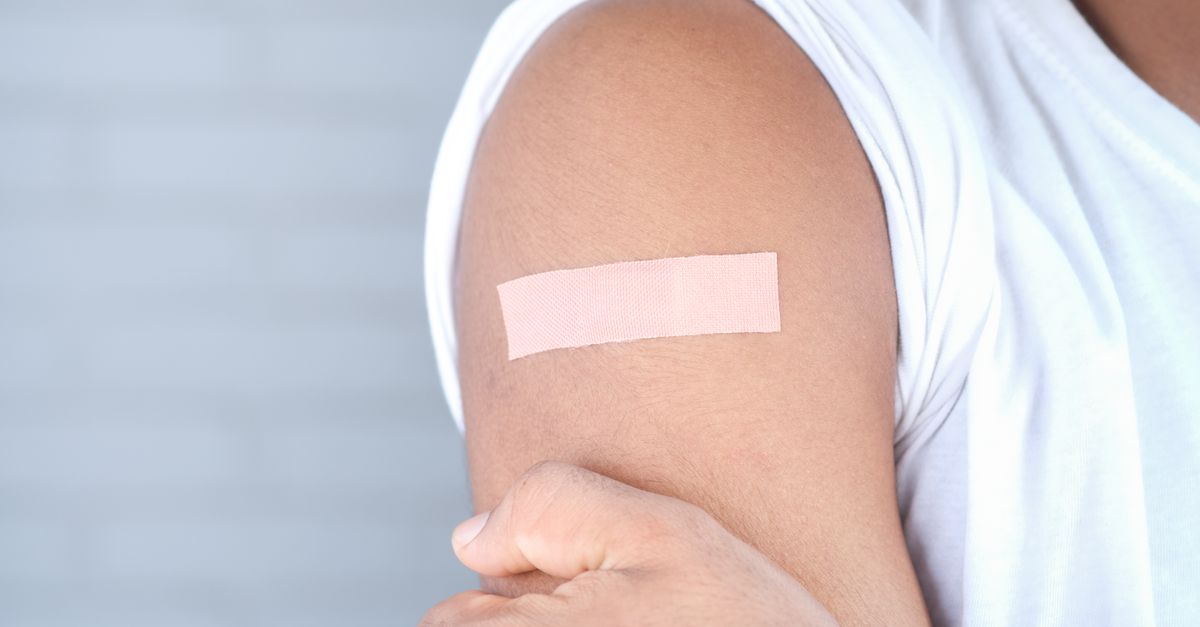
Many of us remember childhood vaccines as a string of shots and lollipops, and then assume that part of life is finished. But protection from some vaccines fades, new vaccines become available, and certain infections become more dangerous as we age. A short conversation about vaccines can prevent weeks of illness, or something far more serious.
Why adults still need vaccines
Immunity is not always lifelong. Protection from tetanus and diphtheria wanes over the years, and whooping cough protection fades as well. Some infections, such as shingles and pneumococcal disease, become more likely or more severe in older adults. Chronic conditions like diabetes, heart disease, lung disease and kidney disease can also raise the risk of complications from infections that a healthy person might shake off.
Vaccines also protect the people around us, including infants too young to be immunized, people receiving cancer treatment, and others whose immune systems are weakened.
Vaccines commonly recommended for adults
Recommendations depend on age, health conditions, occupation, travel and prior vaccination history. National guidance, such as the schedule published by the Centers for Disease Control and Prevention (CDC), is updated regularly. In general, the following are discussed with most adults:
- Influenza (flu): recommended yearly for nearly all adults, since circulating strains change.
- COVID-19: guidance has changed over time, so it is worth reviewing current recommendations for your age and health.
- Tdap/Td: a tetanus, diphtheria and whooping cough vaccine, with a booster about every ten years.
- Shingles (recombinant zoster): generally recommended for adults 50 and older.
- Pneumococcal: advised for older adults and for younger adults with certain conditions.
- RSV: may be recommended for older adults and for some people at higher risk.
- Hepatitis B, MMR, HPV and others: depending on age, history and risk factors.
What the evidence shows
Vaccines are among the most studied medical interventions. Before approval they go through clinical trials, and after approval their safety continues to be monitored by national surveillance systems. Decades of data show that vaccines have dramatically reduced illness, hospitalization and death from diseases like measles, tetanus and influenza complications.
No vaccine is perfect. The flu shot, for instance, may not prevent every infection, but it tends to lower the chance of severe illness and hospital stays. Protection from a vaccine is best thought of as a strong layer of defense rather than a guarantee.
Side effects and safety
Most side effects are mild and short-lived: a sore arm, mild fatigue, a low fever or body aches for a day or two. These are signs your immune system is responding. Serious allergic reactions are rare, which is why it is important to tell your clinician about any past reactions to vaccines or their ingredients. Some vaccines, particularly live vaccines, may not be suitable during pregnancy or when the immune system is suppressed, so your health history matters.
How to prepare for a vaccine conversation
- Gather your vaccine records, including any from past employers, school, the military or other providers.
- List your health conditions and medications, including anything that affects your immune system.
- Mention pregnancy plans, upcoming travel, or work in health care, child care or similar settings.
- Note any past reactions to vaccines.
- Bring your questions. Hesitation is normal, and a good conversation addresses it respectfully.
Take the next step
If you are unsure which vaccines you are due for, you are far from alone. Reviewing your history with a primary care clinician is the simplest way to build a plan that fits your age, health and lifestyle. Send a message through our contact page to ask how the practice can help you stay up to date. Vaccines are given in person, so your provider can review your records by telehealth, recommend what is due, and help you find a convenient place to get them.