
Skin Rash and Eczema Care
Itchy, inflamed or recurring skin can disrupt your sleep, comfort and confidence. Our practice works to find the cause, calm the flare and build a plan that helps keep your skin healthy.
Become a Patient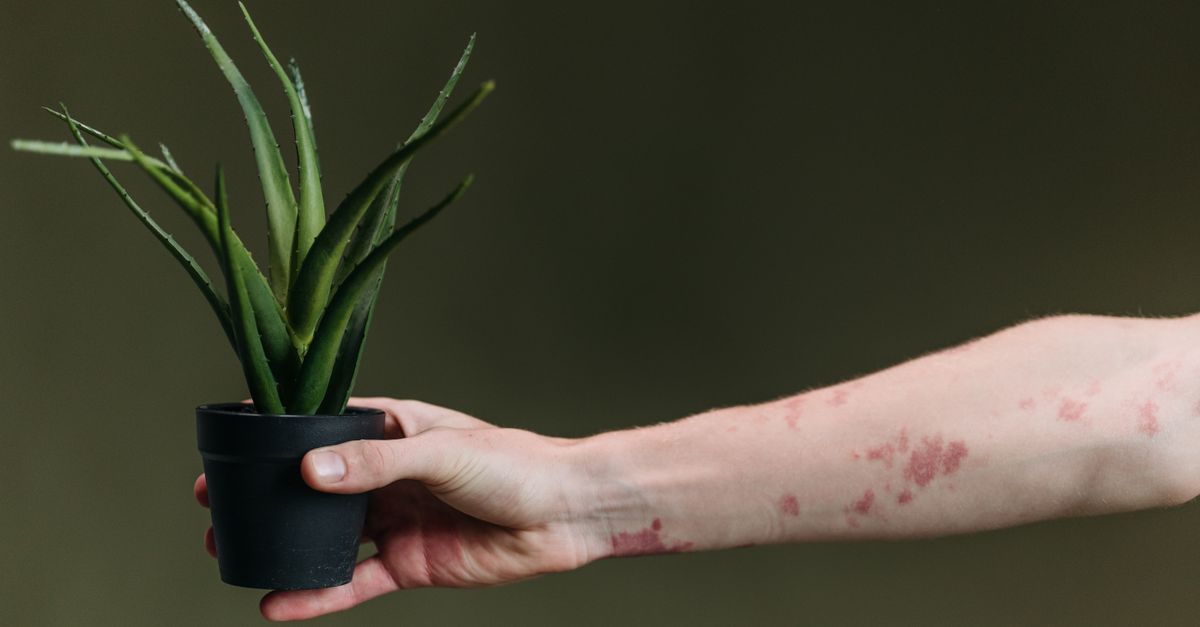
Understanding Skin Rashes and Eczema
A skin rash is any visible change in the color, texture or feel of the skin, and it can be itchy, painful, dry, bumpy or blistered. Eczema, also called atopic dermatitis, is one of the most common causes. It is common in children and affects many adults as well, and it tends to follow a pattern of flares and quieter periods. Beyond the physical discomfort, constant itching can interrupt sleep, affect concentration, limit clothing and activity choices, and make people self-conscious about how their skin looks.
Rashes have many causes. Eczema involves a weakened skin barrier and an overactive immune response, and it often runs in families alongside asthma, hay fever and food allergies. Contact dermatitis results from irritants or allergens such as fragrances, nickel, soaps, plants or cleaning products. Other causes include infections (fungal, bacterial, viral), scabies, medication reactions, psoriasis, hives, heat, and autoimmune conditions. Dry climates, frequent hot showers, stress, sweat and certain fabrics commonly trigger flares in people who are prone to eczema.
Professional evaluation matters because rashes can look alike while needing very different treatment. A steroid cream that helps eczema can worsen a fungal infection, and an untreated infection can spread. Scratching also damages the skin and invites infection, creating a cycle that is harder to break the longer it continues. A clinician can identify the type of rash, rule out more serious causes, choose treatments that match the diagnosis and teach you how to use them correctly, which is often where treatment succeeds or fails. We care for children and teens with eczema and rashes too, with a parent or guardian joining the video visit.
Signs & Symptoms of Skin Rashes and Eczema
- Itching. Persistent itch is the hallmark of eczema and often worsens at night.
- Dry, scaly skin. Skin loses moisture and feels rough, tight or flaky.
- Red or darkened patches. Inflamed areas may look red, brown, purple or gray depending on skin tone.
- Small raised bumps. Tiny bumps may appear and sometimes weep clear fluid or crust over.
- Thickened, leathery skin. Chronic scratching can cause skin to thicken in affected areas.
- Burning or stinging. Irritated skin may sting, especially after contact with soaps or products.
- Hives. Itchy, raised welts that come and go can signal an allergic reaction.
- Recurring flares. Symptoms improve and return, often in the same areas such as elbow creases.
What to Expect
- A thorough history and a close look at your skin by video or clear photos to find the cause
- Written, step-by-step treatment plan with a daily skin care routine
- Help identifying and reducing your personal triggers
- Follow-up visits to adjust treatment as needed
- Referral to a dermatologist or allergist when additional expertise is needed
How We Treat Skin Rashes and Eczema
Assessment
We take a thorough history covering the timing, location and pattern of your rash, along with products, medications, allergies and family history. We look closely at your skin by video and check for signs of infection, and clear, well-lit photos help too. Some rashes need a hands-on exam, a skin scraping or a culture, and when that is needed, we will help you arrange it. Allergy-related testing may also be recommended to confirm the cause.
Treatment Plan
You receive a written, step-by-step plan matched to your diagnosis, including a daily skin care routine and medication when appropriate. We show you how much to apply, where and for how long. We also help you identify and reduce your personal triggers.
Ongoing Care
We follow up to see how your skin is responding and adjust the plan as needed. If a flare returns, we revisit what changed and refine your approach. When your case needs additional expertise, we coordinate a referral to a dermatologist or allergist.
Benefits
A Personalized Care Plan
Your plan reflects your skin, your daily routine and your goals rather than a one-size-fits-all handout.
Time for Your Questions
We make room to explain your diagnosis, how your medicines work and what to expect, so you come away with clarity.
Coordinated Follow-up
We check your progress, adjust treatment and arrange referrals when needed so nothing falls through the cracks.
Your Treatment Journey
First Evaluation (Week 1)
We review your history, triggers, products and prior treatments, and look at the skin by video or photos. Expect questions about when the rash started and what makes it better or worse. Some rashes are diagnosed on sight; others need a simple test, which we will help you arrange.
Treatment Begins (Weeks 2 to 4)
You start a skin care routine and any prescribed medication. Itch and redness often begin easing within days to a couple of weeks, though full clearing can take longer.
Progress Review (Months 2 to 3)
We check how the skin has responded, adjust medications and look again at triggers. If improvement is limited, we reconsider the diagnosis or the plan.
Long-term Management (Ongoing)
Eczema is often a chronic, relapsing condition. The goal is fewer and milder flares, with a clear plan for handling them early.
Warning Signs That Need Prompt Care
Rapidly spreading rash. A rash that expands quickly over hours or days needs prompt evaluation.
Fever with a rash. Fever alongside skin changes can point to infection or systemic illness.
Pus, warmth or red streaks. These are signs of a possible bacterial skin infection.
Painful blisters or sores. Clusters of painful blisters may suggest shingles or herpes infection.
Swelling of the face, lips or tongue. This may be a serious allergic reaction and requires emergency care. Call 911 or go to the nearest emergency room.
Difficulty breathing. A rash with breathing trouble is an emergency. Call 911 or go to the nearest emergency room.
Rash after a new medication. Drug reactions can become serious and should be assessed quickly.
Sleep loss or daily disruption. Itch that interferes with sleep or work deserves a treatment plan.
If you recognize these signs, help is available. Early treatment leads to better outcomes.
Evidence-Based Treatment Approach
Evidence-based care starts with the skin barrier: regular use of fragrance-free emollients, short lukewarm baths and gentle cleansers. For active inflammation, topical corticosteroids of appropriate strength are a first-line treatment, and non-steroid options such as topical calcineurin inhibitors or crisaborole may be used for sensitive areas like the face. Oral antihistamines can help with sleep disruption from itch, though they do not treat eczema itself. Infected rashes may need antibiotics or antifungal medicine, and contact dermatitis improves mainly by avoiding the cause. For severe or resistant eczema, a dermatology referral may open options such as phototherapy or newer systemic and biologic therapies.
Common Questions About Skin Rashes and Eczema
How long does treatment take?
It depends on the cause. A contact rash may clear in one to three weeks once the irritant is removed. Eczema is typically long-term, with flares controlled in days to weeks and ongoing care to keep the skin calm.
Is medication required?
Not always. Mild cases often respond to moisturizers, gentle cleansing and trigger avoidance. Moderate or stubborn cases may need topical anti-inflammatory medicines, and some need other prescription options.
Does insurance cover it?
Sagebrooke Family Medicine is an insurance-based practice, and we are in the process of joining insurance plans. What you pay depends on your plan, including any copay, deductible or coinsurance. Contact the practice to check whether your plan is accepted, and check with your insurer about coverage for prescription creams and other medications, labs and specialist referrals.
What if the first treatment does not work?
This is common and not a failure. We reassess the diagnosis, check for infection or overlooked triggers, confirm the treatment is being used as intended, and adjust or refer to a dermatologist if needed.
Is eczema contagious?
No. Eczema cannot be passed from person to person. Some other rashes, such as impetigo, scabies or ringworm, can spread, which is one reason a proper diagnosis matters.
Can diet or allergies cause my rash?
Sometimes. Food and environmental allergies can play a role in some people, especially children, but many rashes have no allergic cause. We discuss whether any testing makes sense for you.
Related Conditions
Related
Allergies
Evaluation and management of allergic triggers that can affect the skin.
Related
Acne
Care for breakouts in teens and adults, often by telehealth with photos.
Related
Pediatric and Adolescent Care
Care for children and teens, including eczema, with a parent or guardian joining the video visit.
Get Help for Skin Rashes and Eczema
Itchy, irritated skin can calm down with the right plan. Request a telehealth visit and we will help you find the cause.
Become a Patient